
Answers to Houston’s Most Common Plumbing Questions
If you’ve lived in Houston long enough, you know the feeling. Maybe it’s August, and the humidity is so thick you can practically wring it out of the air, and you walk into the garage to find a mysterious puddle spreading across the concrete floor. Or it’s one of those rare January nights when a Gulf Coast cold snap rolls in faster than anyone expected, and you’re suddenly wondering whether your pipes are going to make it through the night. Either way, something is wrong with your plumbing, and the anxiety that comes with that moment is completely understandable.
At Heaton Plumbing, we’ve been the neighbor you call in those moments since 1985. Over nearly four decades of serving Houston families, we’ve heard the same questions come up again and again, from Katy to Pearland, from The Woodlands to Clear Lake. Most plumbing problems are far more manageable than they feel in the moment, and having the right information makes all the difference. We’ve pulled together the questions we hear most often and answered them the way we would if you were standing in our driveway.
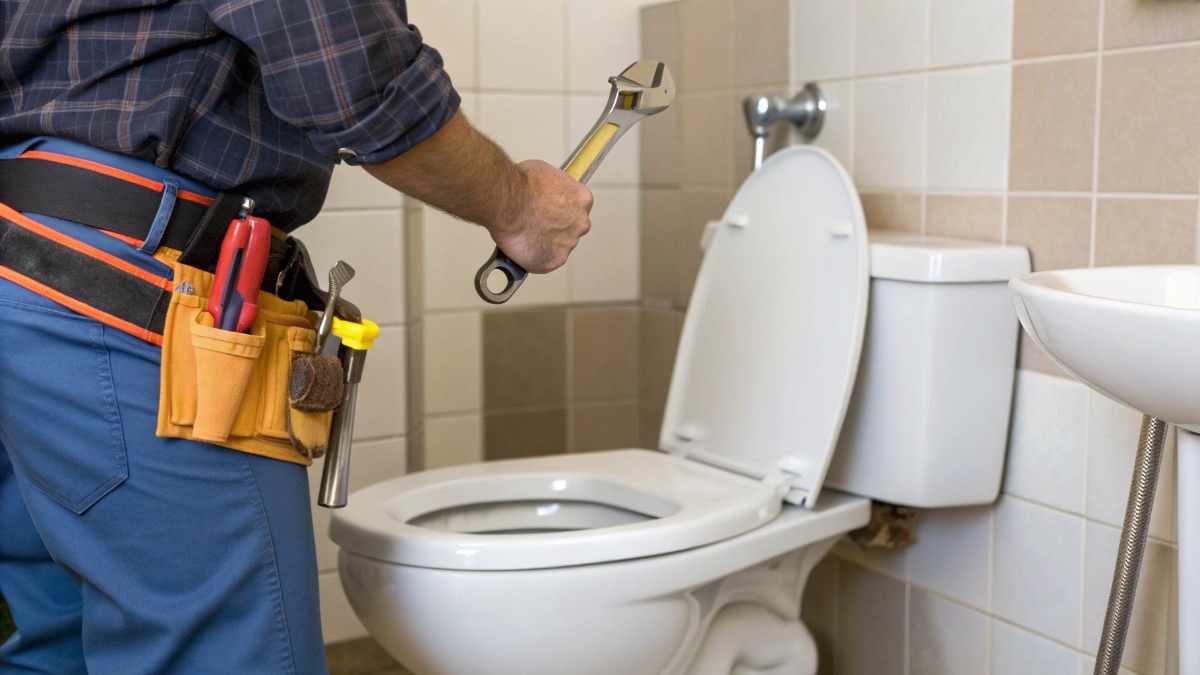
Why Is My Toilet Running and How Much Water Is It Wasting?
A running toilet almost always traces back to one of two components: a worn-out flapper valve or a fill valve that isn’t adjusted correctly. The flapper is the rubber seal at the bottom of the tank that lifts when you flush and drops back down to hold water. When it degrades, it no longer creates a tight seal, and water trickles continuously from the tank into the bowl. The fill valve, meanwhile, controls how the tank refills after a flush. If it’s set too high or starts to fail, water overflows into the overflow tube and drains away constantly without you ever knowing.
What makes this worth paying attention to is the volume of water involved. According to the EPA WaterSense Indoor Water Use Snapshot, a single running toilet can waste around 200 gallons of water every day. That adds up fast on a Houston water bill, and it’s happening silently while you go about your day. A quick look inside the tank, lifting the lid and watching for water moving toward the overflow tube or rippling near the flapper, can often tell you exactly what’s going on before you call anyone.
Houston’s municipal water supply carries a mineral load that accelerates the deterioration of rubber components like flapper valves. The same mineral buildup you see on showerheads and faucet aerators is quietly stiffening and cracking the rubber inside your toilet tank. Checking those components once a year, especially after a hot summer, is a small habit that prevents a much larger water bill.
How to Handle a Dripping Faucet and Prevent Hidden Water Waste
A dripping faucet feels like a minor annoyance: background noise you eventually stop noticing. But the water loss is anything but minor. According to the EPA WaterSense Fix a Leak Guide, a faucet dripping at just one drip per second wastes more than 3,000 gallons of water per year. The culprit is usually a degraded washer, a worn O-ring, or a ceramic cartridge inside the handle assembly that no longer seals completely when the handle is in the off position. If you’re comfortable with basic tools and want to tackle it yourself, our guide on how to fix a leaky faucet walks through the process safely and clearly.
For homeowners who want to do a quick inspection before deciding whether to call a professional, here’s a simple approach:
- Turn off the local shut-off valves located directly under the sink, both hot and cold, before touching anything inside the handle assembly.
- Place a small towel or bucket in the cabinet beneath the supply lines to catch any residual water still sitting in the lines after shutoff.
- Remove the decorative handle cap and unscrew the handle to expose the internal cartridge or washer, and look for visible wear, cracking, or mineral scaling on the rubber components.
- Before replacing worn parts, clean away any mineral buildup using a mild white vinegar solution to ensure the new components seat properly and create a clean seal.
If you’re not sure whether your issue is a simple washer swap or something deeper in the valve body, there’s no need to guess. Our full library of common plumbing questions covers garbage disposals, drain maintenance, water pressure, and more, and our team is always happy to talk through symptoms with you before you book a service call.
Dealing with Slow Drains and Protecting Your Home from Foundation Shifts
When a sink or tub starts draining slowly, the first instinct for many homeowners is to reach for a bottle of chemical drain cleaner. It’s worth resisting that impulse. Those caustic formulas generate significant heat as they work, and that heat can warp modern PVC pipe fittings or eat through the interior of older cast-iron lines over time. The damage often isn’t visible until a fitting cracks or a joint fails, at which point a simple slow drain has become a leak inside the wall.
Mechanical alternatives are safer and usually just as effective. A standard hand plunger handles most sink and tub clogs without any chemical contact. A zip-it tool, which is a long, flexible plastic strip with barbs, pulls hair and debris out of the drain opening directly. For more stubborn blockages, removing and cleaning the P-trap over a bucket takes about ten minutes and clears the most common accumulation point in the drain line. These approaches protect your pipes and give you a clearer picture of what’s actually causing the slowdown.
Slow drains that persist throughout the entire house, where multiple sinks, the tub, and the toilet are all sluggish at once, are a different situation. In Houston, the highly active clay soils throughout Harris County expand and contract dramatically with seasonal rainfall and drought cycles. That movement puts real physical stress on underground sewer lines, and over time it can cause pipes to belly downward, crack at joints, or shift out of alignment. When that happens, waste doesn’t flow freely, and you may also notice unexplained sewer odors in the yard or near the foundation. Understanding the signs of a gas leak and other hidden utility line issues beneath your property is worth reviewing if you’re seeing these symptoms; what looks like a drain problem can sometimes point to something happening deeper under the slab.
If multiple drains in your home are backing up simultaneously, that pattern points to the main sewer line rather than an isolated clog. We use non-invasive sewer camera inspections to see exactly what’s happening inside the pipe: no digging, no guesswork, and no tearing up your yard. Give our team a call at (281) 842-7473, and we’ll walk you through what we find in plain language.
Protecting Your Plumbing from Gulf Coast Weather Extremes
Houston homes are engineered for heat. That’s not a criticism; it’s just the climate reality. Water lines in most local homes run through uninsulated attics, along exterior walls, or through unconditioned garage spaces because those routes make perfect sense for eleven months of the year. During a hard freeze, though, those same pipes are completely exposed. The Gulf Coast doesn’t get sustained cold, so when a freeze does arrive, often with less than 24 hours of warning, the pipes have no thermal buffer at all. Knowing how to prevent frozen pipes before the temperature drops is genuinely one of the most valuable things a Houston homeowner can do. Wrapping exposed outdoor hose bibs with foam insulation domes, adding pipe insulation in the garage, and letting indoor faucets on exterior walls drip slowly overnight are all steps that cost very little and can prevent a burst pipe that costs thousands.
Equally important is knowing where your main water shut-off valve is before you need it. Unlike homes in northern states where the valve is typically in a basement utility room, Houston homes tend to locate it in a few specific spots: inside a utility closet near the water heater, in the garage along the wall closest to the street, or in an exterior ground box near the water meter at the curb. Take five minutes to find yours now, confirm it turns freely, and make sure everyone in the household knows where it is. If a pipe does freeze and burst, getting to that valve in the first sixty seconds is what separates a manageable cleanup from a gutted wall.
Frequently Asked Questions About Houston Plumbing Systems
Why does my water heater make a loud rumbling or popping noise?
This is one of the most common water heater complaints in Houston, and local water characteristics are a big part of why. The water supply in the greater Houston area carries dissolved minerals that gradually settle out and accumulate as sediment at the bottom of a storage tank. Over time, that layer of sediment traps water beneath it. When the burner fires, the trapped water heats rapidly and forces its way up through the sediment layer, producing that distinctive rumbling or popping sound. Beyond the noise, the sediment acts as insulation between the burner and the water, making the heater work harder and use more energy to reach temperature. An annual tank flush removes the buildup and restores efficiency. If you’re also noticing moisture around the base of the unit or discoloration near the pressure relief valve, it’s worth taking a closer look. Our guide on how to troubleshoot a leaking water heater covers the warning signs that indicate a more serious tank issue.
What are the most common home plumbing mistakes to avoid during DIY maintenance?
Over-tightening connections is probably the most widespread one. It feels like the right instinct: tighter means more secure. But plastic fittings crack under excess torque, and the resulting leak often develops slowly inside a wall where you won’t see it for weeks. Other frequent missteps include using chemical drain cleaners on a regular basis, which degrades pipe interiors over time. Homeowners also frequently flush so-called “flushable” wipes that do not actually break down and instead accumulate in sewer lines. Finally, many people never test shut-off valves until an emergency forces the issue, at which point a valve that has not moved in fifteen years may not close fully. For a thorough rundown of what to watch for, our piece on common home plumbing mistakes covers the traps that catch even careful DIYers off guard.
How do I know if my garbage disposal is jammed, and can I reset it myself?
A jammed disposal usually announces itself clearly: the unit hums when you flip the switch, but the grinding plate doesn’t spin. That hum means the motor is receiving power, but something is preventing rotation, typically a foreign object or a dense accumulation of food debris. Start by turning off the wall switch and unplugging the unit under the sink. At the very center of the bottom of the disposal housing, you’ll find a small hex socket. Insert a standard Allen wrench, usually 1/4 inch, and work it back and forth until the plate moves freely. Once it spins without resistance, press the small red reset button on the bottom of the unit, plug it back in, and run cold water before testing it. Cold water keeps fats and grease in solid form so they pass through more cleanly.
Who should I contact for non-emergency public plumbing or water utility issues in unincorporated Harris County?
Residents living outside the City of Houston’s municipal boundaries have a dedicated resource for these situations. Non-emergency public inquiries, water utility concerns, and county-managed service requests are handled through the Harris County 311 System, which serves as the primary portal for coordinating non-emergency county services and reporting public infrastructure issues. The platform uses a structured service catalog to help residents categorize their requests accurately, which improves routing and response times for county departments.
How can I tell if a hidden water leak is developing under my home’s concrete slab?
Because Houston homes sit on concrete slabs over active clay soils, slab leaks are a genuine concern here in a way they simply aren’t in regions with different construction norms. The warning signs tend to be subtle at first: a water bill that spikes without any obvious explanation, warm patches on tile or vinyl flooring indicating a hot water line leak beneath the slab, damp or discolored baseboards along exterior walls, and the sound of water running continuously even when every fixture in the house is off. Any one of these symptoms warrants a professional leak detection inspection. Waiting typically means more water damage, more slab erosion, and a more complicated repair.
Reach Out to Us Today
Plumbing problems have a way of feeling bigger than they are, especially at 10 p.m. when you’re not sure what you’re looking at. Most of what Houston homeowners encounter, including running toilets, dripping faucets, slow drains, or noisy water heaters, has a clear explanation and a manageable solution. The ones that don’t have an easy fix are exactly the situations where having a trusted local team matters most.
Heaton Plumbing has been part of this community since 1985, and our approach has stayed consistent: you’ll know the exact cost before we start any work, and every repair is backed by our clear “Done right, or it’s free” promise. We’re available 7 A.M to 7 P.M., 7 Days a Week!, so you’re never stuck waiting until Monday morning to get a straight answer. Whether you’re dealing with a stubborn clog, a noisy water heater, or something that just doesn’t look right, reach out to our team. If you’re facing something urgent, our emergency plumbing services in Houston page has everything you need to get help fast.
Give our friendly neighborhood team a call today at (281) 842-7473. We’re here to help keep your home running smoothly.