
How Can You Repair a Faucet Yourself at Home?
When you notice the steady drip of water from your sink, your first thought may be to search for a quick DIY faucet repair solution. While it is possible for homeowners to handle minor faucet issues on their own, many repairs require specialized knowledge, tools, and precision. Understanding when you can attempt a fix yourself and when to call a professional can save you time, money, and frustration. This guide will walk you through common problems, necessary tools, and step-by-step instructions while highlighting why professional plumbing services often provide the safest, most effective long-term solution.
Common Problems Solved by DIY Faucet Repair
Faucets are built with small, intricate components that eventually wear out with daily use. The most common issues homeowners face include:
- Leaky faucets: Continuous dripping is often caused by worn washers, damaged seals, or mineral buildup around valves.
- Loose or squeaky handles: Over time, faucet handles loosen and may squeak when turned. This is usually due to worn O-rings or internal screws.
- Low water pressure: Mineral deposits or blockages inside the faucet aerator may reduce flow.
- Difficulty shutting off water: If your faucet continues to drip after turning the handle tightly, the internal cartridge or valve seat may be damaged.
While these problems seem minor, they can quickly escalate into higher water bills, water damage, or complete fixture failure if left untreated. Even if you try a DIY fix, many of these issues recur unless handled with the proper techniques and parts.
Identifying Leak Sources in DIY Faucet Repair
Before attempting any repair, it’s critical to identify the exact source of the leak. Start by observing when and where the drip occurs:
- Dripping at the spout: Often points to a worn washer, O-ring, or cartridge.
- Leaks at the base of the faucet: May indicate damage to seals where the faucet meets the sink.
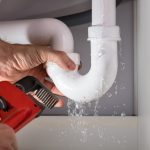
- Leaks under the sink: Suggests problems with water supply connections or corroded pipes rather than the faucet itself.
Taking time to correctly diagnose the issue will prevent wasted effort replacing the wrong part. However, pinpointing leaks can be tricky without plumbing experience, which is why many homeowners ultimately prefer calling a professional to confirm the source before repairs.
Tools and Parts Needed for DIY Faucet Repair
If you do decide to attempt a repair, you’ll need more than just a wrench. A successful DIY faucet repair typically requires:
- Adjustable wrench or basin wrench
- Flathead and Phillips screwdrivers
- Allen wrenches (hex keys)
- Plumber’s grease
- Replacement washers, O-rings, or cartridges
- Towels and a small bucket to catch water
- White vinegar for mineral buildup removal
It’s also important to know your faucet type. Compression, cartridge, ball, and ceramic disk faucets each have unique designs and require different repair methods. Many homeowners discover that once they’ve disassembled the faucet, they don’t have the exact replacement part on hand. This often means multiple trips to the hardware store, adding time and hassle. A professional plumber arrives prepared with the right tools and parts, eliminating this stress.
Step-By-Step DIY Faucet Repair Instructions
Although every faucet is slightly different, the following general steps can guide you through basic faucet repairs.
Step 1: Shut Off the Water Supply
Locate the water shut-off valves beneath the sink and turn them clockwise to stop water flow. Open the faucet handles to release any remaining water pressure. Skipping this step may lead to a messy and stressful repair experience.
Step 2: Disassemble the Faucet
Carefully remove the handle using a screwdriver or Allen wrench. Depending on the faucet type, you may need to unscrew caps, remove retaining nuts, or extract cartridges. Keep track of each part and lay them out in order of removal for easier reassembly.
Step 3: Inspect and Clean Components
Look for signs of wear such as cracks, corrosion, or flattened washers. Clean any mineral buildup with vinegar and a soft cloth. At this stage, many homeowners find the internal parts confusing or fragile. If you feel uncertain, it’s best to stop and call a professional to prevent damaging the faucet.
Replacing Washers and O-Rings in DIY Faucet Repair
If you’ve identified a worn washer or O-ring as the culprit, replace it with an identical part. Even a slight size mismatch can cause continued leaking. Apply plumber’s grease to new washers and O-rings before installing them to ensure smooth operation and a tighter seal.
Step 4: Reassemble the Faucet
Carefully reinsert the cartridge or valve stem, tighten the screws, and reattach the handle. Over-tightening can strip screws or crack parts, while under-tightening may cause continued leaks. Proper balance is key.
Testing Your Work After DIY Faucet Repair
Turn the water supply back on and slowly open the faucet. Check for drips around the spout, base, and under the sink. Let the faucet run for a few minutes to confirm consistent water flow and pressure. If the faucet still drips or new leaks appear, your repair attempt may have missed the true source of the problem.
At this point, many homeowners realize that even small mistakes can result in wasted time and money. A faucet may require specialized parts, re-seating of valves, or deeper adjustments that only a licensed plumber can perform.
Why Professional Repair is Often the Better Choice
While DIY faucet repair may seem appealing, there are several reasons why calling a professional plumber like Heaton Plumbing is often the smarter solution:
- Expert diagnosis: Professionals can quickly identify whether the faucet itself is the issue or if there are deeper plumbing problems.
- Quality parts and tools: Plumbers have access to manufacturer-grade parts and specialized tools not readily available at hardware stores.
- Guaranteed work: DIY repairs may temporarily stop leaks, but professionals provide warranties on parts and labor, ensuring lasting solutions.
- Preventing further damage: Incorrect repairs can strip screws, crack cartridges, or worsen leaks, leading to costly replacements.
- Saving time and stress: What may take a homeowner several hours can often be completed by a plumber in under an hour.
The Value of Long-Term Solutions
Many faucets today are designed to last decades when properly repaired and maintained. Attempting to fix the problem yourself may seem cost-effective, but recurring leaks or improper repairs can lead to higher expenses in the long run. A professional plumber doesn’t just fix the immediate issue; they ensure your plumbing system remains reliable and efficient.
Call Heaton Plumbing for Expert Faucet Repair in Houston
If your faucet is leaking, squeaking, or failing to shut off, you don’t have to struggle with DIY fixes or risk making the problem worse. At Heaton Plumbing, we believe in simplifying the lives of our customers and helping them in times of great need and uncertainty. We hire only the most qualified technicians in the plumbing industry, conducting thorough background checks and drug screenings before providing in-house training that meets our high standards. Our team offers the best warranties on parts and labor in the plumbing industry, ensuring your repairs are not just quick fixes but lasting solutions.
Heaton Plumbing proudly serves the Houston, TX area with affordable, professional plumbing services. In addition to faucet repairs, we subcontract countertop, tile, sheet rock, carpentry, painting, concrete, masonry, and excavation work to trusted contractors who share our work ethic and customer-first values. Whether you’re facing a small drip or a major plumbing concern, we are here to provide expert solutions you can count on.
Don’t let a leaky faucet add stress to your day or money to your water bill. Give us a call today to schedule your service and experience the peace of mind that comes from working with Houston’s most trusted plumbing professionals.